

Car Loan Affordability: How Much Can You Really Afford?
Break down the numbers behind car loans in Malaysia. Learn the debt-to-income ratios, interest calculations, and how to avoid overstretching your budget.
Read ArticleWe’re breaking down the real numbers to help you decide what works best for your lifestyle and wallet in Malaysia.

Every month, Malaysians face the same choice: hop on a bus or train, or sit in their own car. It’s not just about convenience — it’s about money. We’ve seen people spend RM 2,500 monthly on a vehicle while their neighbor gets around on RM 300 in public transport passes. The difference matters, and it’s worth understanding before you commit.
Here’s what we’ll cover: the actual costs of driving (fuel, insurance, maintenance), what public transport really costs you monthly, and how to figure out which option actually saves you money. Plus, we’ll look at some situations where one clearly beats the other.
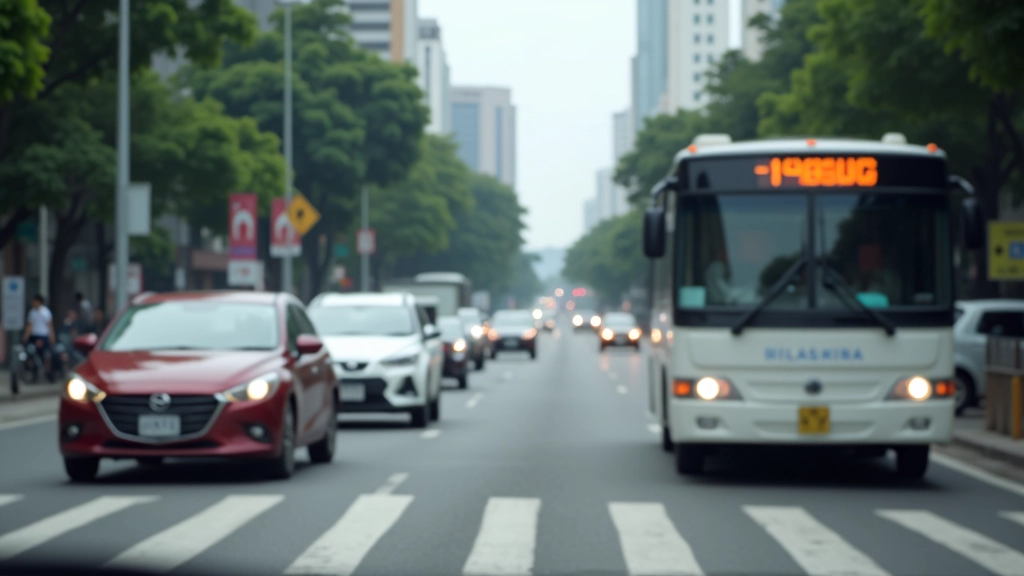
Let’s look at realistic numbers for an average commuter in Klang Valley or Penang.
These figures are based on 2026 Malaysian rates. Your actual costs depend on your location, vehicle type, and commuting habits.
A personal vehicle isn’t automatically a bad decision. It depends on your situation. If you’re driving 4,000+ kilometers monthly, work outside main transit zones, or need flexibility for family commitments, a car might actually save you time (which has its own value).
Here’s the reality: you’re not just paying for movement. You’re paying for convenience, reliability, and control. That matters. Someone working in Damansara Heights with irregular hours won’t thrive on the LRT schedule. But someone commuting daily from Subang to KL Sentral? Public transport could genuinely cut their expenses in half.
Don’t forget hidden car costs either. Tires wear down. Engines need servicing. Accidents happen. A RM 1,500 repair isn’t unusual after 100,000 kilometers. Public transport doesn’t surprise you like that.

Stop guessing. Calculate your actual commute distance, how many days weekly you’ll travel, and what transit options actually exist where you live. If you’re in a major city with good LRT coverage and a predictable schedule, public transport will likely save you serious money.
If you’re living in a suburban area, working irregular hours, or supporting a family with multiple destinations daily, a car becomes more practical — though it’ll cost significantly more. That’s not a problem if you can afford it. Just make the choice with eyes open.
One final thought: you don’t have to pick just one forever. Many people use public transport for regular commuting but keep a car for weekends and family trips. That hybrid approach might actually be the smartest option of all.

Use this to figure out your personal numbers.
How far do you travel daily? Check Google Maps for both driving and public transport times. Include all trips (work, shopping, appointments).
Visit Moovit or MyRapid to see if your area has good public transport coverage. If buses or trains serve your route, check the schedule.
Factor in fuel (based on your vehicle’s consumption), insurance, maintenance, and parking. Don’t forget road tax and depreciation.
Add up everything. The difference will probably surprise you. Then ask: what’s the value of extra time, flexibility, or peace of mind?
There’s no universal right answer. Public transport wins on cost — often by a huge margin. A car wins on flexibility and time. Your job is to figure out what matters more to your life right now.
If you’re trying to save money or reduce financial stress, public transport in Malaysia is genuinely affordable and increasingly reliable in major cities. But if flexibility is worth the cost to you, that’s a legitimate choice too. Just make it with full awareness of what you’re spending.
Use the numbers and checklist above to calculate your actual situation. The real costs for your commute might be completely different from the averages we’ve shown.
Explore More Budgeting GuidesThis article provides general educational information about transport costs in Malaysia as of March 2026. Costs vary by location, vehicle type, insurance provider, and individual circumstances. We’re not providing financial advice or recommendations — we’re helping you understand the numbers so you can make your own informed decision. Your actual costs may differ significantly from these examples. Always verify current prices and consult with insurance agents or transport providers for your specific situation.